Customer: The Handwritten Typeface That Brings Warmth to Your Craft Shop
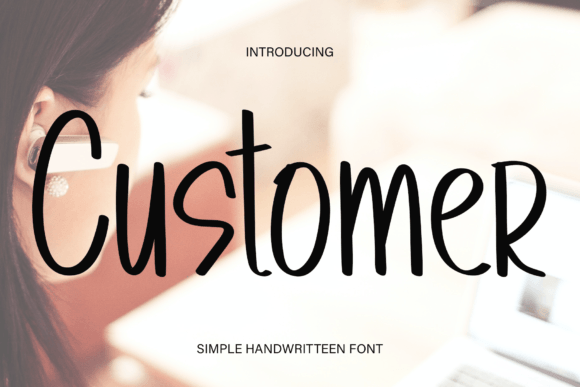
I was sitting at my desk, surrounded by half-finished candle labels and a stack of blank greeting cards, trying to find the perfect text for a new line of farmhouse-style home decor. I had spent hours choosing the right wax scent and selecting a matte black tin, but the typography felt cold. It lacked that personal touch that makes a handmade item feel special. That’s when I decided to give Customer a try. This fun and friendly handwritten font immediately softened the design, turning a generic label into something that felt like it came from a real person’s hands. Whether you are using it for crafts, digital design, presentations, or making greeting cards, this font has the potential to become your favorite go-to for adding personality to your brand.
Why Customer Fits the Modern Maker Aesthetic
In the world of handmade goods, authenticity is everything. Buyers don’t just want a product; they want a connection. Customer delivers exactly that with its casual, approachable style. As a script font in the Script Handwritten category, it avoids the overly ornate or difficult-to-read traps that plague many decorative typefaces. Instead, it offers a clean, legible flow that mimics natural handwriting without looking messy. When I applied it to a mockup for a boutique packaging tag, the contrast between the structured layout and the fluid lettering created an immediate sense of elegance mixed with comfort.
This typeface works beautifully because it bridges the gap between professional polish and hobbyist charm. It feels intentional but not stiff. For creators who sell on platforms like Etsy or run their own Shopify stores, having a consistent visual identity is crucial. Using a creative font like Customer helps establish a recognizable brand voice. It signals to your audience that you care about the details, from the quality of the materials to the final presentation of the item.
Real-World Applications for Handmade Products
The versatility of Customer allows it to shine across a wide variety of physical and digital products. Here is how I have seen it come to life in practical crafting scenarios:
- Candle and Soap Labels: The font’s moderate weight ensures it remains readable even on small curved surfaces. Pairing it with a simple sans serif font for ingredient lists creates a beautiful hierarchy that guides the customer’s eye.
- Greeting Cards and Stationery: For wedding invitations or birthday cards, Customer adds a celebratory yet intimate tone. It works exceptionally well for names, dates, and short phrases where emotional appeal matters most.
- Stickers and Decals: When designing sticker sheets for planners or laptops, the clean lines of this handwritten font cut beautifully on vinyl. It holds up well in cutting machines like Cricut or Silhouette, ensuring crisp edges without unnecessary complexity.
- Tote Bags and Apparel: Printed on fabric, the font maintains its friendly character. It looks great on tote bags for farmers markets or shirts for craft fairs, offering high visibility and readability from a distance.
- Digital Printables: For those selling downloadable planner pages or wall art, Customer serves as an excellent display font. It anchors designs effectively, allowing users to print and frame these assets with confidence.
Enhancing Product Presentation and Brand Identity
Typography plays a silent but powerful role in perceived quality. A poorly chosen font can make a premium product look cheap, while a well-selected one can elevate a simple item. By incorporating Customer into your shop branding, you create a cohesive narrative. Consistency in your fonts helps with customer recognition; over time, shoppers will associate that specific handwritten style with your unique offerings.
When designing seasonal products, such as holiday tags or summer sale graphics, this font adapts easily to different moods. Its neutral yet warm personality fits seamlessly into autumn harvest themes or spring garden aesthetics. Furthermore, using a commercial font license for your designs protects your business legally while allowing you to scale your production. Knowing you have the rights to use Customer on physical merchandise, templates, and digital downloads gives you the freedom to focus on creativity rather than compliance.
Design Tips for Maximum Impact
To get the best results when working with Customer, consider the following practical advice for your design process:
- Keep it Short: Like most script and handwritten fonts, Customer is best suited for short phrases, names, titles, and decorative wording. Avoid using it for long paragraphs of body text, as it may become fatiguing to read.
- Master Font Pairing: Balance the organic feel of Customer with more structured typefaces. A clean sans serif font pairs wonderfully for secondary information, creating a modern typography look. Alternatively, a simple serif font can add a touch of classic editorial design flair.
- Check File Formats: Before sending files to print or uploading them as SVGs for cutting machines, ensure you have the correct file formats. Most premium fonts include multiple weights and styles, so explore all available options to find the perfect fit for your project.
- Test Readability: Always preview your designs at actual size. If you are creating small stickers or product labels, zoom out to see if the letters remain distinct. Legibility is key for customer engagement, especially in listing images where buyers make quick decisions.
- Utilize Alternates: Many modern fonts include alternates, ligatures, and swashes. Experiment with these features to add unique flourishes to your logo design or social media graphics without needing additional design assets.
Final Thoughts on Choosing the Right Typeface
Selecting the right font is one of the most impactful decisions a maker can make. Customer stands out as a reliable, charming option for anyone looking to infuse their work with warmth and friendliness. Its ability to function across various mediums—from digital downloads to physical packaging—makes it a valuable addition to any designer’s toolkit. By paying attention to these typographic details, you not only improve the aesthetic appeal of your items but also strengthen the emotional connection with your audience. Whether you are designing a single custom order or scaling up a line of printables, giving Customer a spot in your workflow could be the secret ingredient that turns casual browsers into loyal customers.